How to Choose the Right Design Types for Your Business
TL;DR
Should your next creative investment be social media ads, or a video, or shareable infographics? The answer depends on where your business is headed and what your audience needs. Explore how to build a practical mix of design types without stretching your budget across assets you may never use.
Selecting the right design types for a business is what separates high-growth brands from companies that burn through their marketing budgets. Every single day, founders and marketing directors sign up for creative services without a clear roadmap. Consequently, they waste valuable time and money on assets that don’t essentially convert. Understanding the essential types of designs that actually matter to the brand changes that.
Choosing the right design categories or design types for your business starts with a few key questions:
- Who buys your product?
- Where do they find your brand?
- Where are they looking for answers?
- What problem do you solve for them?
- Who are your competitors?
- How do they get in touch with the target audience?
In this blog, let us explore how to select and manage the visual assets your business actually needs.
Why Does Picking the Right Design Types Matter?
The right design types help businesses spend their budget where it can make the biggest difference. They support brand recognition, communicate information clearly, and give marketing campaigns the visual assets they need to succeed. Instead of producing content for volume, prioritize assets that build awareness, generate leads, enable sales, or improve retention.
For example, a software company preparing a launch may need a landing page visual, explainer video, sales deck, and paid social creative. An ecommerce brand launching a seasonal collection might need product graphics, email banners, website visuals, and social media ads. In contrast, a local cafe looking to attract more customers could invest in menu design, storefront signage, promotional posters, and social media graphics.
See, the channels, target audience, immediate goals, long-term objectives and several other factors determine the right types of designs a business actually needs.
The right design types:
- Build credibility
- Build brand recognition faster
- Speak the language your audience understands
- Drive conversions
- Improve customer experience
- Create brand consistency
- Boost employee morale
What Design Types Do Businesses Usually Need?
Most businesses do not need hundreds of random graphics all at once. Instead, they need a core set of visual assets that support how they attract, educate, and convert customers.
Depending on your current stage and industry, your daily requests usually fall into these four groups:
- Brand building
- Digital marketing
- Content and thought leadership
- Video and motion graphics
Design types for brand building

Brand building assets lay the foundation for all future customer interactions. Specifically, design types for brand building include:
- Logos (primary and secondary)
- Brand guidelines
- Visual identity systems
- Mascots
- Letterheads
- Branded stationery
- Business cards
- Store signage
- Menus
- Product packaging
Consider a new professional services firm. Its team might begin with a logo and a simple set of brand guidelines. It could then apply those rules to its website, proposal templates, and presentation slides. But a strong foundation becomes more useful as the company grows.
Established businesses might need a wider pool of assets for brand building and scaling.
Read more in our post about visual identity design.
Design types for digital marketing

These are often the highest-volume design categories for growing businesses. At different stages, depending on different target audience groups, businesses need different digital marketing assets.
These include:
- Social media posts
- Display ads
- Social media ads
- Email marketing banners
- Newsletter templates
- Website banners
- Hero images
- Landing page visuals

The volume keeps changing based on marketing goals. For instance, during peak holiday sale seasons, businesses might need multiple ad variations. In short, these are assets designed to drive daily audience engagement and customer acquisition.
Design types for content and thought leadership
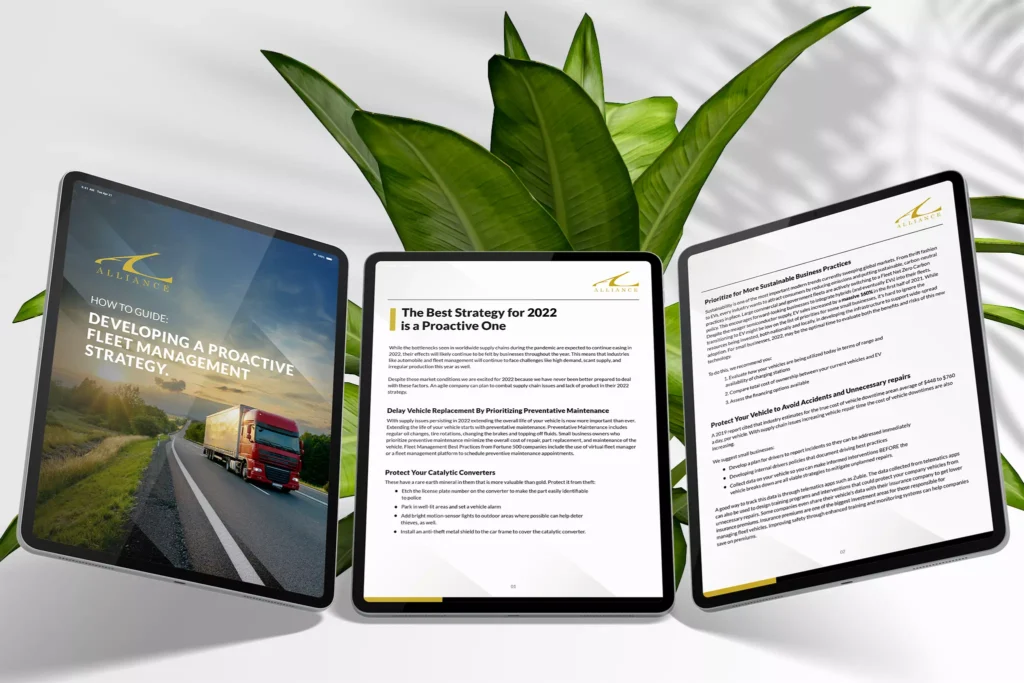
Content design helps businesses explain ideas, demonstrate expertise, and make useful information easier to understand. These design types matter most when trust and authority drive sales. B2B companies, consultants, financial firms, healthcare brands, and education companies often benefit the most from them.
Common formats include:
- Infographics
- Lead magnets
- Ebooks
- Whitepapers
- Case studies
- Webinar slides
- Presentation decks
- Blog graphics
Choose the right design format based on the information you wish to communicate with your audience. An infographic works well when readers need to understand complicated data. A detailed report gives readers space to explore methodology, evidence, and recommendations. For sales teams, a concise presentation may communicate the most important findings more effectively than a long document.
The goal is to make information easier to use, not just to make it look attractive.
Video and motion graphics
As of 2026, about 91% of businesses use video marketing. Videos are more effective than static visuals in several places.
A few types of video designs that businesses need are:
- Short-form videos (TikTok, Reels, YouTube Shorts)
- Product demos
- App walkthroughs
- Homepage videos
- Logo animations
- Video outros and intros
Choose video when movement adds information or makes a message easier to understand. If a simple graphic communicates the point just as clearly, keep the process and the design simple.
Match design types to your business goals
Matching design types to strategic business objectives prevents wasted creative effort and wasted budget. Therefore, using a structured step-by-step decision framework helps.
| Business goal | What to prioritize | Types of designs to consider |
| Establish a new brand | A consistent visual identity and core brand guidelines | Logo, identity system, guidelines, website visuals |
| Attract new customers | High-converting ad creatives and clear landing page visuals | Ad creatives, social graphics, landing page visuals |
| Explain an offer | Clear visuals that simplify complex information | Infographics, explainer videos, presentations |
| Support sales conversations | Persuasive presentations and easy-to-scan sales materials | Pitch decks, product sheets, case study layouts |
| Publish more consistently | Reusable templates and a reliable mix of content formats | Templates, blog graphics, social assets, video |
| Refresh an established brand | Consistent brand updates across key customer touchpoints | Updated identity assets, templates, campaign visuals |
So, if you are wondering what design categories to choose, start by listing your three most important business goals. Next, identify the design assets that directly support each goal. Finally, review your existing materials before requesting new ones.
After each campaign, review the results. Track meaningful measures such as qualified leads, clicks, downloads, or sales conversations. Then use those findings to guide your next set of design requests.
Common mistakes businesses make when choosing design types
When choosing the essential design categories, there are a few common mistakes businesses make:
- Choosing formats simply because they are popular – a competitor’s video strategy may not suit your audience or budget. Instead, identify the information your customers need and select the format that delivers it clearly.
- Choosing the wrong creative workflow/services – multiple freelancers or design agencies for different design categories can get difficult to streamline and create extra coordination work. In contrast, a single design subscription that covers various design types simplifies creative workflows.
- Overproducing one type of content – dozens of social media graphics won’t save an outdated website. So identify the right balance of content types your business needs instead of relying too much on one or two.
- Ignoring brand guidelines – When teams work without shared visual rules, their designs can drift apart. Keep logos, fonts, colors, and templates accessible.
- Skipping performance review – Creative work should support a purpose. Measure relevant outcomes and use the findings to improve future requests.
How do you know when to add more design types?
Your business may need additional design types when its current creative assets no longer support its goals, channels, or customer needs.
Look for these signals:
- A new product or service is launching. You may need product graphics, explainer content, sales materials, or packaging.
- Your business is entering another market. Localized visuals and updated campaign assets may help you communicate with a different audience.
- Your content schedule is expanding. More publishing activity can create demand for templates, infographics, and video.
- Customers need more explanation or more details about your brand. Product demonstrations, diagrams, or educational graphics may answer recurring questions.
- Your brand has become inconsistent. Updated guidelines and reusable assets can help different teams work from the same visual system.
Before adding a new type, consider whether existing assets can do the job. If a new format solves a genuine problem, test it on a focused campaign and evaluate the outcome.
Why Design Subscriptions Are a Better Fit for Ongoing Design Needs
Some businesses might need all of the design categories mentioned above and some might not use a few on any occasion. Some might need a few types of designs regularly and others occasionally. Choosing the right design service is as important as choosing the right types of designs.
Traditional creative agencies and hiring single freelancers often introduce bottlenecks when managing diverse design types. Therefore, modern marketing teams often shift toward subscription models to maintain consistent visual output without unexpected design bills.
Furthermore, flat-fee creative services or unlimited design services work well for businesses with varying design needs. When your marketing campaigns require frequent design iterations or new types of designs to be introduced when needed, subscription models eliminate scope creep entirely. Consequently, partnering with a dedicated unlimited provider ensures your creative workflow keeps moving smoothly. For instance, KIMP supports 100+ types of graphic or video designs for a flat monthly fee.
How KIMP handles 100+ design categories
When managing different types of designs gets complicated, marketing teams switch to unlimited design services like KIMP.
KIMP simplifies this process by bringing a wide range of graphic design and video design services under a flat monthly subscription. Read more about our plans and pricing.
With over 100 design types available, businesses can request creative assets for branding, digital marketing, content creation, sales, and video campaigns. This flexibility means you can adapt your design workload as your business grows, without having to find a new provider every time your goals change.
Here’s what makes KIMP a practical choice for businesses with ever-evolving design needs:
- A dedicated design team: Work with a team that gets familiar with your brand, preferences, and ongoing creative needs.
- Wide range of design services: Request everything from logos and social media graphics to presentations, packaging, and video content, depending on your subscription plan.
- Predictable monthly fee: Plan your creative budget without negotiating a separate price for every design request.
- Structured workflow: Use KIMP360 to submit requests, share feedback, track progress, and access completed designs.
- Manage multiple brands: Agencies juggling designs for multiple clients can conveniently track and manage multiple brands on a single dashboard.
Got more questions about unlimited design services? Read our post here to understand how KIMP works.
Types of Designs: FAQs
The KIMP Graphics subscription covers a wide range of graphic design types for branding, marketing, thought leadership and more. And the KIMP Video subscription covers motion graphics design and video editing for most short-form videos brands need to add to their marketing asset reserve. The KIMP Graphics + Video subscription includes both static and motion graphics designs.
Start with the assets that support your immediate goals. A new business may need foundational branding and marketing visuals. A growing company might add presentations, campaign variations, and video as its needs develop.
Yes, no two businesses need the same types of designs at any given point. Flexible design workflows like an unlimited design service help keep up with such volatile design needs.
Small businesses usually focus heavily on acquisition assets like ad creatives and social graphics. Conversely, enterprise teams often require complex presentation decks, multi-page whitepapers, and comprehensive corporate guidelines.
The turnaround time estimates provided by unlimited design services like KIMP often give a tentative window for delivering straightforward designs. With KIMP, most simple designs are delivered within 24 hours. That said, different requests require different amounts of work. Project complexity, revisions, and active workload can affect delivery schedules. Read more about turnaround times and design output volume.
Choose the Right Design Types to Support Your Business Growth
So, to choose the right design type, understand your audience, business goals, and marketing priorities. Instead of investing in every possible format, focus on the ones that truly matter. Instead of having to juggle between teams and freelancers for all the design types you need, choose a flexible and scalable design solution, like an unlimited design service.
With KIMP, you get access to 100+ types of graphic and video designs through a flat monthly subscription, making it easier to keep your brand consistent across channels.
Ready to simplify your design workflow? Sign up for KIMP’s free 7-day trial today and explore how a dedicated design team can help bring your creative ideas to life.