How to Scale Visual Content Without an In-House Design Team
TL;DR
To scale visual content, you need to build a clear creative workflow, standardize brand guidelines, and collaborate with a dependable design team that can handle your fluctuating design requirements. A flat-fee design service gives marketing teams ongoing access to designers at predictable costs, and a streamlined system for managing design workflows.
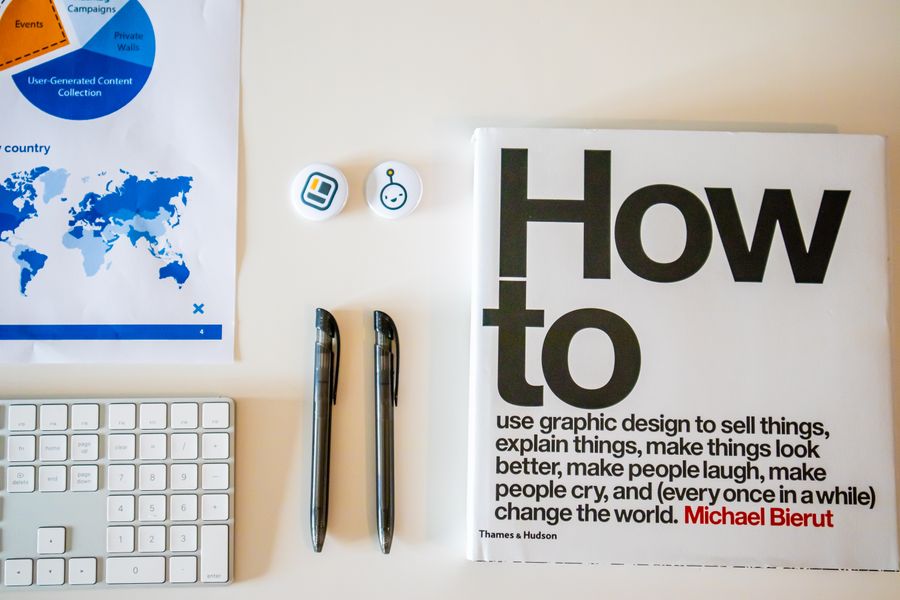
Modern digital marketing runs entirely on visual assets. Marketing teams need an endless stream of social media graphics, advertising creatives, landing page visuals, email headers, and video clips to fuel ongoing campaigns across platforms. Consequently, demand for designs quickly outpaces creative team capacity. That’s why teams need to know how to scale visual content when the need arises.
When design needs increase, several teams assume that hiring an in-house designer or design team is the only way forward. However, adding internal headcount introduces significant financial overhead and operational complexity.
So, how can businesses scale visual content without hiring more designers? The answer starts with matching creative capacity to demand. Clear workflows, reusable brand assets, and external visual content services can help teams produce more designs while keeping costs and quality under control.
A design subscription is one option. You pay a recurring flat fee for ongoing design support. This gives teams access to creative resources without adding a full-time employee.
- The Hidden Costs of Building an In-House Design Team
- Why Headcount Isn’t the Only Way to Grow Creative Output
- What Does Scaling Visual Content Actually Mean for a Brand?
- How Unlimited Design Services Enable Scalable Creative Production
- Is a Flat-Fee Design Subscription Right for Your Business?
- Tips for Getting the Most Out of an Unlimited Design Subscription
- Scaling Visual Content for Brands: FAQs
- Scale Your Marketing Content With KIMP’s Dedicated Design Team
The Hidden Costs of Building an In-House Design Team
Hiring a full-time designer is definitely a great way to scale visual content for brands, but a full-time designer’s salary is only one part of the cost. Recruitment, onboarding, benefits, software licenses, equipment, and management time add to the total. Plus, one person may not have every skill needed for graphics, presentations, video, and digital marketing assets. When you expand the team, the expenses multiply.
Here’s an overview of the costs involved when hiring an in-house designer vs. working with a flat-fee design subscription.
| Expense category | In-house designer | Flat-fee subscription |
| Salary | $62,960 per year per designer | About $700 to $2000 per month for subscription (no separate designer compensation) |
| Design software | $450-$1,200 per year | $0 (included in the monthly fee) |
| Hardware & equipment | $800-$1,500 per year | $0 (No additional employee workstation required) |
| Recruiting & onboarding | $1,200-$3,000 per year | $0 (No designer recruitment needed) |
Why Headcount Isn’t the Only Way to Grow Creative Output
More designers don’t always assure more design output. To scale visual content, you need a combination of clear design briefs (and a system to streamline them), clear brand guidelines, a robust design workflow, dedicated designers, and a system for quality assurance.
Other factors like access to quality branded templates and a strong system in place to track brand assets can help scale design output.
For example, a marketing team that produces 20 social graphics each month may be able to double the production by:
- Using branded templates
- Batching similar requests
- Repurposing campaign assets
- Assigning production to the right visual content services partner
So your visual content scales without a significant increase in internal headcount and without significant expansion of your budget.
So, what are your options to increase your visual content output without hiring an in-house designer or design team?
| Model | How it works | Best for |
| Freelancers | An independent designer works by project, hour, or agreed scope. | Occasional tasks or one-off assignments. |
| Design agencies | An external team provides design, strategy, and account support. | Larger campaigns with bigger budgets and the need for creative strategy. |
| Design subscriptions | A flat monthly fee covers ongoing requests and revisions within a defined workflow. | Regular production needs and predictable costs. |
What Does Scaling Visual Content Actually Mean for a Brand?
In short, scaling visual assets for a business means building a sustainable asset pipeline that amplifies market reach. Therefore, a reliable strategy to scale visual content can help a business to:
- Expand multi-channel presence: If you’ve only been active on Instagram, you can explore visual content to build your LinkedIn presence and grow on YouTube and TikTok.
- Accelerate the adoption of a format: If a platform is suddenly pushing a particular format, like carousels or short videos, you are ready to explore it. Or if your competitors are all investing in a new format, you are equipped to jump on the industry trend.
- Shorten iteration cycles: You can effectively A/B test ideas and designs to optimize conversions in real time.
- Jump on trends without impacting essential marketing assets: You stumble upon a relevant trend you need to jump on and you can do that without affecting the design workflow for your regular ongoing campaigns.
Brands Lose Visual Consistency When Scaling Too Fast
While scaling is important, when businesses push for rapid content creation without a structured governance model, visual quality quickly degrades. This particularly happens when marketing teams, without due consideration, hire freelancers or work with multiple design agencies to tackle design production.
As a result, your visual identity becomes fragmented. Designs for different campaigns look and feel like different brands rather than feeling in line with your brand’s unique identity.
That’s where an unlimited design service or design subscription feels like a practical move.
How Unlimited Design Services Enable Scalable Creative Production
An unlimited design subscription gives a business access to ongoing design support for a fixed monthly fee. Rather than paying separately for each project, you submit design requests into a queue and your designer or design team works through them according to priority, complexity, and workflow structure.
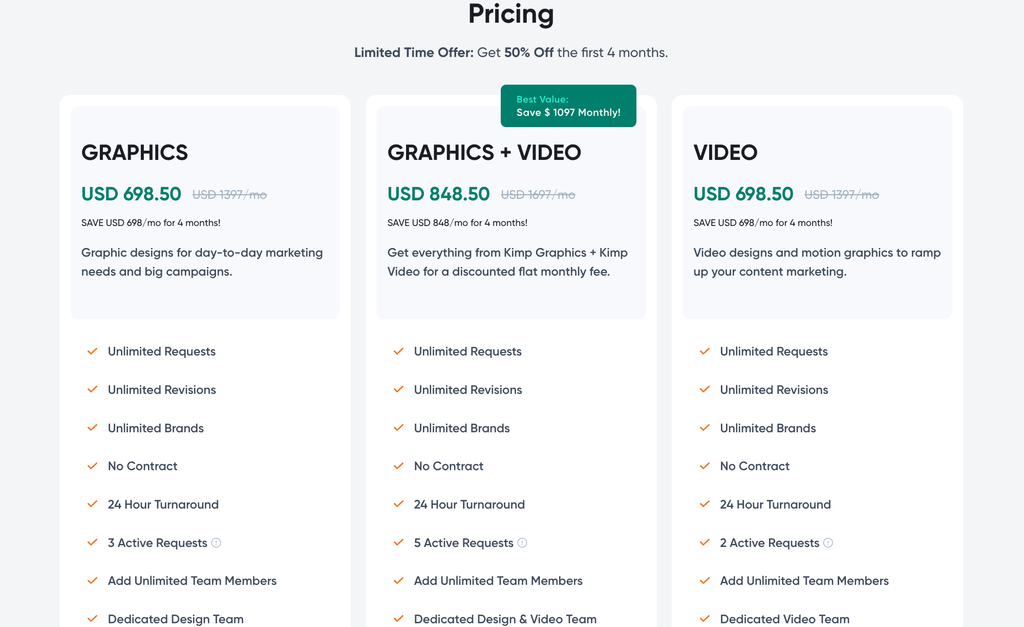
KIMP, for example, offers unlimited requests and unlimited revisions across more than 100 graphic and video design categories. You also receive a dedicated design team, access to KIMP360, source files, and support for multiple brands with all our plans.
What Types of Design Requests Can You Scale With a Subscription?
A design subscription can support both everyday marketing needs and larger campaign work. It can handle both branding designs and marketing collateral for teams small and big. Some common types of design requests a design subscription like KIMP can cover include:
- Social media graphics, stories, carousel templates, and video thumbnails
- Digital advertising creatives for paid social, display, and retargeting
- Email headers, banners, and promotional campaign assets
- Landing page designs, website graphics, and app or UI visuals
- Presentation decks, sales collateral, brochures, flyers, billboards and print materials
- Custom illustrations, animated GIFs, Canva templates, and branded templates
- Video editing, motion graphics, promotional videos, and short-form video assets
Compare the plans offered by the unlimited design service you choose to understand what design categories are covered. KIMP separates graphic design and motion graphics requests into two plans, KIMP Graphics and KIMP Video, for teams that need either of these. For teams that need both motion graphics and static designs, there is the KIMP Graphics + Video plan.
Read our blog on the essential design categories for businesses to understand what you should be investing in.
How a Dedicated Design Team Keeps Your Brand on Track
While the support for unlimited design requests is a good place to begin with, to reliably scale content without losing brand consistency, you need more. Some services have a rotating pool of designers where a different designer is assigned for each design request. But if you are looking to outsource mainly to be able to scale visual content while maintaining consistency, then a service with a dedicated design team, like KIMP, makes better sense.
A dedicated design team learns your brand’s visual preferences, recurring formats, and campaign priorities over time. That continuity reduces the need to re-explain basic requirements with every new request.
How Design Management Systems Like KIMP360 Simplify Managing High-Volume Design Work
When you scale visual content, when the requests pile up and there are multiple files for each design request, things start getting more complicated. Even when you have all the designs ready, sifting through files in multiple locations and knowing which one is the final version and which one is the version just before the final version can be a challenge.
That’s where a streamlined design project management platform like KIMP360 makes a big difference.

KIMP360 makes sense when you scale visual content and manage multiple design requests because of a few key features:
- Request creation: Submit visual briefs, upload brand guidelines, and attach reference files in minutes. Create duplicate requests or templates to save time when creating multiple similar requests.
- Point-and-click feedback: Place visual markers directly onto design drafts to pinpoint precise revisions instantly.
- Asset management: Store, organize, and access raw working files alongside completed deliverables in one secure hub. This is true even when you have to manage multiple brands or sub-brands.
Is a Flat-Fee Design Subscription Right for Your Business?
Who is an unlimited design service for? Subscriptions suit startups, small businesses, marketing teams, agencies, real estate businesses, content creators and ecommerce brands with recurring design needs.
If you need to scale visual content without having to worry about unpredictable costs and tedious project management, design subscriptions are a great option.
Before choosing a graphic design subscription, compare:
- The design categories and file types included.
- Active request capacity and how the queue works.
- Typical turnaround and revision terms.
- Whether the team is dedicated or designers are rotated based on the design requests.
- Project management, collaboration, source files, and ownership.
- Monthly cost compared with your actual workload.
A traditional visual content agency may be good when you need campaign strategy or broader creative direction and when you have a big budget. But a subscription may be a better fit when you already know what you need, anticipate fluctuations in your design requests and want reliable long-term design support.
What to Expect During the Onboarding Process
Getting started with a design subscription is considerably simpler than hiring an in-house designer when scaling visual content for your brand. Traditional onboarding involves the time needed to familiarize the hired resources with your company’s processes, your brand, tools, and workflows.
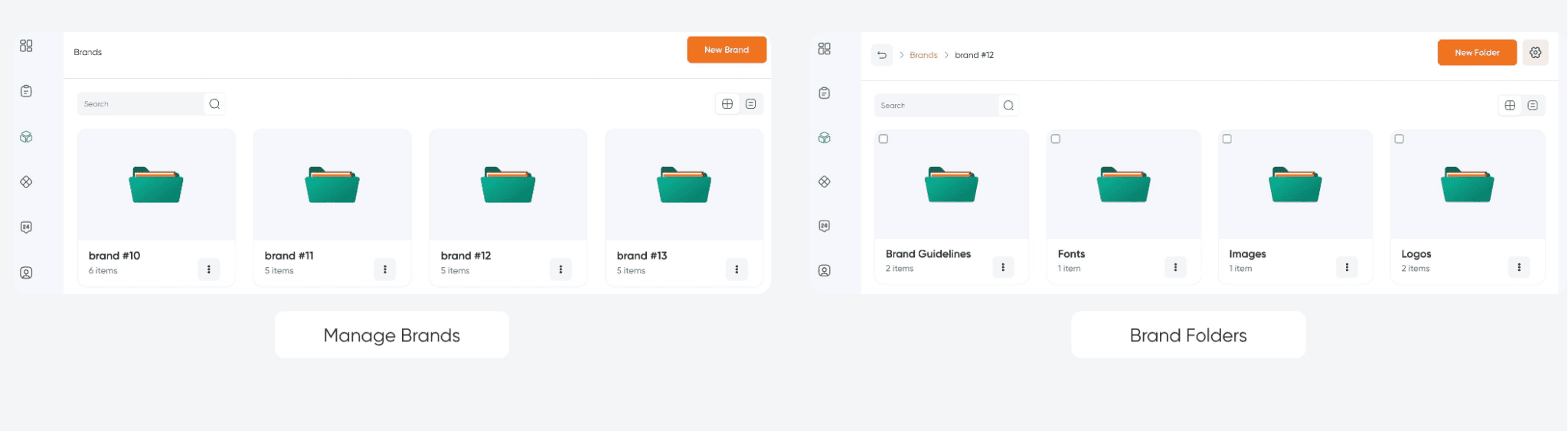
With a design subscription, you skip recruitment and move straight to setting up your creative workflow. Here’s what the process looks like:
- Account setup and brand upload: Create your account and upload your existing logos, fonts, color palettes, brand guidelines, and other visual assets to create your brand profile. This gives your design team the resources they need to understand your brand. Do this for every brand that you need designs created for.
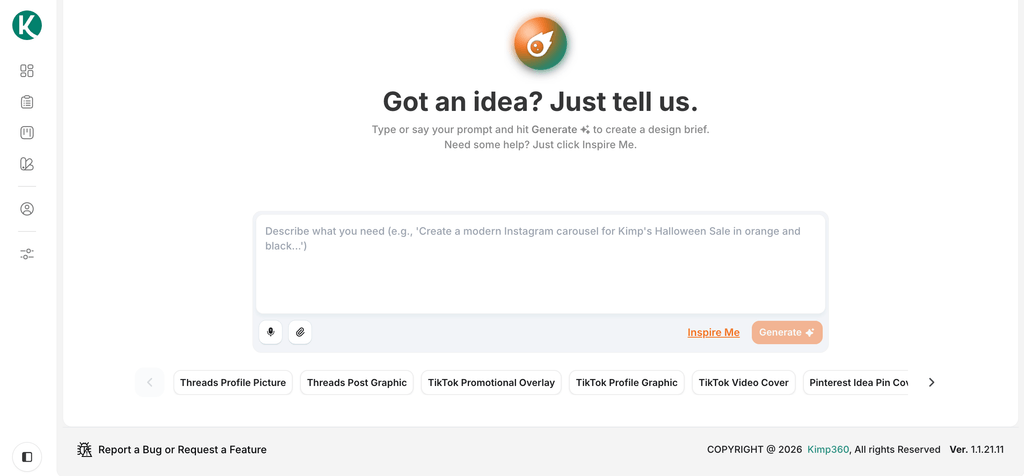
- Design requests: Submit your first batch of design requests, including project objectives, dimensions, target audience, copy, references, and preferred formats. Detailed briefs help the team get started with fewer clarification rounds. If you need inspiration, use our AI-powered request form to save time and create effective design briefs.
- Onboard team members: Some unlimited design services like KIMP allow you to invite multiple team members and assign them different roles so stakeholders are on track with design requests and updates.
- Team alignment: Your dedicated design team reviews your brand assets and requests, clarifies any missing details, and begins working through your design queue.
Tips for Getting the Most Out of an Unlimited Design Subscription
A design subscription actually helps you scale visual content when you manage the creative bandwidth available effectively. Here are some ways to do that:
- Give useful details. Include goals, audience, dimensions, copy, references, and required formats. Use visual references. On KIMP360, you even get to create the first draft using KIMP’s AI Designer tool to help designers accurately visualize your idea.
- Build a reference library. Save approved designs and examples of the styles you want repeated.
- Consolidate feedback. Collect stakeholder comments before sending revisions to avoid conflicting direction.
- Plan recurring work early. Add regular social media graphics and newsletter assets to the queue ahead of publication.
- Review the workflow. Track completed assets, turnaround, and approval delays to spot bottlenecks and collaborate with the team about workarounds.
- Create branded templates. Use your design bandwidth to create reusable templates for recurring formats such as ads, email headers, and sales decks.
Scaling Visual Content for Brands: FAQs
A freelancer usually charges by project, hour, or scope. A subscription charges a recurring fee for ongoing requests and revisions within its service capacity. Freelancers are suitable for occasional work; subscriptions are suitable for regular design needs.
It effectively supports both. Small business owners can benefit from a dedicated design team when they have recurring design requirements. There is also the flexibility to subscribe or cancel as required, or even pause. So small businesses can conveniently subscribe when their design requirements increase, pause during temporary lulls, or cancel if they do not anticipate a steady need for design support. Larger teams, on the other hand, benefit from the on-demand design support that a design subscription brings.
KIMP uses dedicated design teams, project managers, brand profiles, and a centralized feedback process. Read our blog on KIMP’s design quality to understand how we ensure design quality for all your design projects when request volume increases.
Scale Your Marketing Content With KIMP’s Dedicated Design Team
As your business grows, your visual content requirements will grow with it. More campaigns, new marketing channels, and an expanding content calendar all call for reliable creative support. With the right design workflow and a dedicated team, you can keep up with these demands and scale visual content without taking on the cost and commitment of expanding your in-house team.
KIMP brings together unlimited design requests, a dedicated design team, and KIMP360’s design management tools to help you manage ongoing creative requirements. Whether you need social media graphics, advertising creatives, presentations, or video content, you have a team ready to support your next project.
Ready to see how much easier managing your creative workload can be? Sign up for KIMP’s 7-day free trial and experience the workflow firsthand. Start submitting design requests, explore the platform, and see how KIMP can help you scale visual content while keeping your brand consistent.