Rebranding With a Design Subscription: What You Need to Know
TL;DR
From the first logo concepts to the final social media rollout, a rebrand involves a steady stream of design work. Explore how rebranding with a design subscription helps businesses handle these requirements with predictable costs and dedicated creative support.
Brands choose to rebrand for a number of reasons. Perhaps the company has outgrown its original identity, its audience has changed, or its existing visuals no longer reflect what it offers. Irrespective of the reason, there is a lot of visual makeover involved. Rebranding with a design subscription gives businesses a practical way to update their visual identity without turning every logo update, social graphic, and landing page into a separate design project.
Instead of negotiating a new quote or sifting through profiles to find the right freelancer for every new design requirement, rebranding with a design subscription means that you work with a single predictable monthly fee. This makes the rebranding process more structured.
- What Does Rebranding Actually Involve?
- Why a Flat-Fee Design Subscription Makes Rebranding Easier
- What Design Assets Do You Need When Rebranding?
- How to Plan a Rebrand Using a Design Subscription Workflow
- Common Rebranding Mistakes and How to Avoid Them
- Rebranding With a Design Subscription: FAQs
- Rebrand Without Losing Your Brand Recognition
What Does Rebranding Actually Involve?
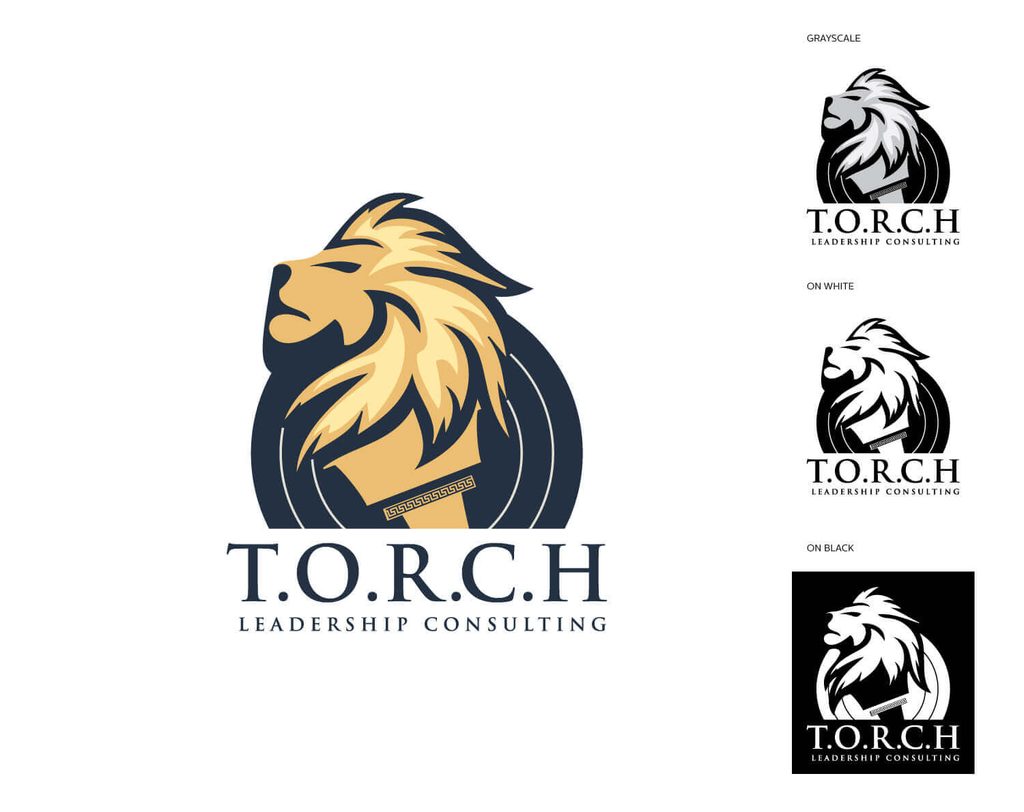
Rebranding is the process of changing a brand’s identity- how you present your brand to your audience. Sometimes, brands need to update just their logo. Sometimes they introduce a fresh dimension to their branding with the introduction of a mascot. A full rebrand may include a new logo, refreshed color palette, updated typography, revised messaging, brand guidelines, and redesigned marketing materials.
Depending on the goal, the scope varies. Either way, the work goes beyond the logo. There are basic branding materials, supporting marketing materials for ads, social media posts to keep your audience in the loop and so much more.
The actual mix of assets a brand needs when rebranding varies. But each of these assets needs to work together. Your new logo will not land well if your social media posts do not tell your customers what’s changing and why. Your logo update will not create the intended impact if your website and social media graphics do not reflect the new visual theme.
Wondering how much of an update your brand actually needs? Read our blog on brand repositioning vs rebranding.
Why a Flat-Fee Design Subscription Makes Rebranding Easier
What is a design subscription? A design subscription builds on the traditional graphic design agency model and provides businesses with on-demand graphic design support for a flat monthly fee. A wider design scope, reliable design support, no designer hiring headaches. A more structured and ongoing design support for a predictable monthly fee. That’s what design subscriptions are all about.
Now you understand why this model makes sense for rebranding. Projects like rebranding where design is not one and done you need ongoing creative support. Imagine having to hire a freelancer for logo design, another one for your website makeover, and a different freelancer for social media graphics announcing your rebranding. Different quotes, different contracts and that all means chaos. This might eventually lead to bottlenecks and gaps in your rebranding launch.
But a design subscription for rebranding removes those gaps.

How Unlimited Revisions Change the Rebranding Game
A new logo is a lot of work. Naturally, updating an existing one or creating a fresh logo for a brand that already has established recognition comes with high stakes.
Rebranding is often a layered approach. You start with one design and check whether it fits into the existing brand system and tweak it. Then you make decisions about what stays and what goes and what other designs need to be updated so that your brand identity as a whole reflects what’s changing. All this needs to happen without your brand losing its recognition or becoming unrecognizable to your existing audience.
With traditional agencies or freelancers handling these design updates, two things could happen:
- There is a limit on revisions and so you settle with a design you are not fully satisfied with or find a different designer for the updates
- Or you end up paying extra for the extra rounds of revision you need to get the designs aligned with your goals
In contrast, an unlimited design service like KIMP supports unlimited revisions. This means that if you are not fully satisfied with a logo or a website makeover or even a landing page, you submit feedback and your design team updates the design. You can iterate as many times as required, without paying extra or working with a different designer for the updates.
Dedicated Teams vs. Freelancers for Rebranding Projects
Access to a dedicated design team is perhaps one of the biggest benefits of rebranding with a design subscription to support the process. When there is a dedicated design team working on all your rebranding assets, instead of having to brief a different designer each time or having different designers interpret your rebranding objectives differently, you have the same designers who understand your brand and your rebranding goals.
For example, with KIMP you get a dedicated team of designers, at no extra cost, no matter what plan you choose. This means that the same designers work on all your rebranding assets and other supporting marketing collateral from the outset. The result? Visual consistency, just as every rebranding project needs.
What Design Assets Do You Need When Rebranding?
A typical rebranding project might include:
- Logo variations
- Icons and graphic elements
- Color palette and typography system
- Updated brand guidelines and usage rules for various brand elements
- Updated website visuals, landing pages, and app assets
- Social media templates and profile graphics aligned with new messaging
- Email headers, newsletter designs, and advertising creatives
- Print materials for local announcements about brand updates
- Video intros, motion graphics, and short-form video assets to create anticipation and tell the story behind your rebranding
KIMP covers 100+ graphic and video design categories, making it easier to manage these rebranding deliverables through one design subscription.
Visual Identity Assets a Rebranding Project Needs
Start with the elements that define your brand’s updated visual identity. These will guide every other design created during the rebrand.
Your core visual identity should include:
- A clear logo system: Primary and secondary logos, simplified variations, color variations and rules defining the do’s and don’ts when using your logo.
- Color palette: Primary and secondary colors with exact HEX, RGB, and CMYK values for consistent use across digital and print materials.
- Typography: Font selections and hierarchy for headings, body text, and supporting content.
- Graphic elements: Custom icons, illustrations, patterns, photography and other visual details that make your new brand identity recognizable.
- Brand guidelines: A clear document capturing all these details, including details about your brand’s tone of voice, tagline and other elements. The document should also capture the reason behind the rebranding and details from the previous identity that will be preserved and why.
In addition to the standard assets, brands with a mascot need updates to the mascot. Then there are updated business cards, store signage, and other store branding assets. Updated app icons and app UI design. Or even branded merchandise to boost the momentum and get people talking.
Marketing and Content Assets to Update During a Rebrand
Social media is a great place to announce your rebrand and gently introduce your updated identity to your existing customers. This includes:
- Teasers that build anticipation
- Short videos that tell the story behind your rebranding
- Carousels explaining the changes, like the details in your logo or why the updated color palette
- Updated profile pictures and banner or cover images for your social media pages
- Updated thumbnails for your videos
- Intros and outros reflecting the refreshed visual identity
Update email headers and newsletter graphics aligned with the changes coming to your visual identity. Also remember to review website banners, landing page visuals, and downloadable resources. These touchpoints should reflect the same identity as your updated logo and brand guidelines.
How to Plan a Rebrand Using a Design Subscription Workflow
Rebranding with a design subscription works best when you have an organized process. Here’s a practical workflow:
Step 1: Audit your existing brand assets.
List everything that needs updating. Identify which assets are outdated, which can be optimized, and which need to be created from scratch.
Step 2: Establish the new visual direction.
Define your updated brand personality, changes in audience segments, preferred visual style, and creative objectives. Understand how this visual direction is aligned with or different from your previous identity and visual direction.
Step 3: Create the foundational identity.
Prioritize the logo, color palette, typography, and brand guidelines to lay a strong foundation. These elements will influence every subsequent design, so finalize these designs before your design team works on the supporting marketing assets. Visualize execution using mockups for a better starting point.
Step 4: Roll out supporting assets.
Create the marketing assets and content that amplify your updated messaging and get your customers familiar with your new identity. Group related requests for faster workflows.
Step 5: Review, revise, and approve.
Check each deliverable against your guidelines. Provide clear feedback, request revisions, and approve final versions before using them publicly. Have all your design files in one place.
Step 6: Coordinate the launch.
Plan when each channel will start reflecting the new identity. Update digital properties, schedule social content, replace marketing templates, and communicate the change internally.
A workflow like KIMP360 helps organize this process. Teams can submit design requests, monitor task progress, collaborate on feedback, and keep project updates in one place. Its Kanban-style view also makes it easier to see which tasks are in progress, awaiting review, or completed.

How to Prioritize Design Requests During a Rebrand
When everything needs updating, deciding what to work on first can be challenging. Start with the core assets that influence other design decisions.
A sensible order is:
- Logo and brand identity elements.
- Brand guidelines and reusable design templates.
- Website and core digital assets.
- Social media and email marketing materials.
- Sales presentations and promotional content.
- Video assets, campaign variations, and supporting collateral.
This sequence gives your designers a solid structure and an approved visual system before they start creating assets for individual channels. And before they start working on multiple formats.
How to Keep Your Team Aligned Throughout the Rebranding Process
Rebranding with a design subscription is more streamlined than working with multiple teams or freelancers. But it helps to have clear guidelines on how to keep the team aligned.
Keep everyone aligned by:
- Creating one source of truth for brand guidelines and approved assets
- Using a centralized request system rather than email threads and scattered folders
- Consolidating stakeholder feedback before sending revisions
- Assigning clear owners for approvals and final decisions and bringing them onboard
- Labeling final files, templates, and source files clearly
- Timely reviewing of completed assets against the brand guidelines before launch
This is particularly where a design management platform helps because it keeps briefs, feedback, files, and approvals in one place. KIMP360, for instance, allows teams to create requests, mark feedback directly on drafts, and store working files alongside final deliverables.
Common Rebranding Mistakes and How to Avoid Them
Even a well-planned rebrand with clear goals and a plan of action can run into problems. A few common mistakes can create unnecessary delays. Here are a few such mistakes to avoid:
- Inconsistent visuals: Your new social media graphics do not feel connected to your updated logo or your updated website feels different from the refreshed identity. Prevent this by creating clear brand guidelines and making approved assets accessible to everyone.
- Rushed timelines: Updating every channel at once can overwhelm your team. To avoid this, break the rollout into phases, establish realistic deadlines, and prioritize high-impact assets.
- Poor design briefs: Vague requests lead to avoidable clarification rounds. Include the objective, target audience, dimensions, copy, references, and preferred format in every design brief.
- Scope creep: New requirements can appear once the project gets underway. Prevent this by maintaining a master asset checklist and agreeing on priorities before adding new deliverables to the workflow.
- Ignoring existing brand recognition: A dramatic visual makeover can confuse customers who already recognize your business. So, understand which recognizable brand elements should remain the same and which ones should be updated to communicate the transition clearly.
A dedicated design team, combined with an organized request and approval process, helps you address these issues before they affect the launch.
Rebranding With a Design Subscription: FAQs
Yes. A design subscription can support the visual side of a full rebrand, from developing brand identity assets to updating marketing materials and digital content. You’ll need to provide the brand strategy, creative direction, and clear priorities. A dedicated design team can then manage the design execution across the required categories.
The timeline depends on the number and complexity of deliverables, how quickly your team provides feedback, and the design service’s active task capacity. A focused brand refresh may take considerably less time than a full identity rollout across multiple channels. Create a realistic schedule based on the turnaround times of the chosen design subscription before starting.
Rebrand Without Losing Your Brand Recognition
While a logo update is one of the most crucial steps in a rebranding, it’s not the only design that needs to be updated when a brand changes. All your customer touchpoints should carry the updated messaging and the renewed brand personality forward.
And the option to submit unlimited requests and a dedicated design team makes a world of difference. That’s why several modern brands find rebranding with a design subscription an efficient approach.
Ready to see what a design subscription can bring to your design workflow? Want to try the subscription model for free before you choose it for your rebranding project? Register now for KIMP’s 7-day free trial.